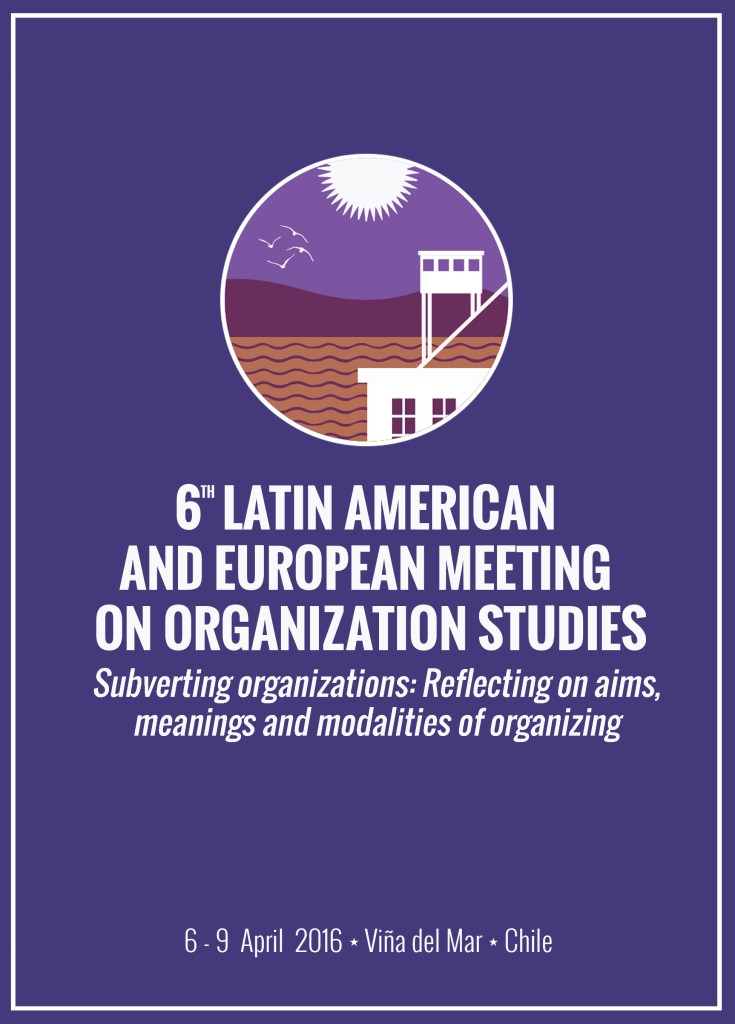
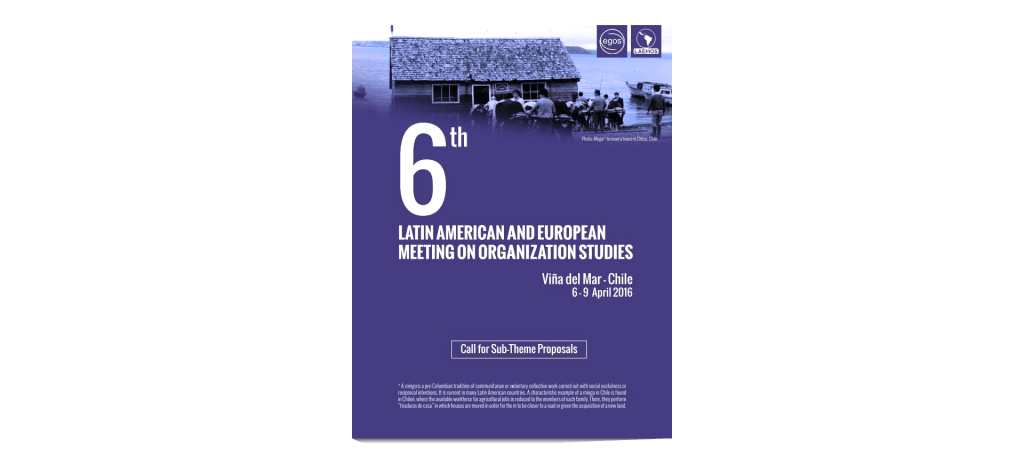
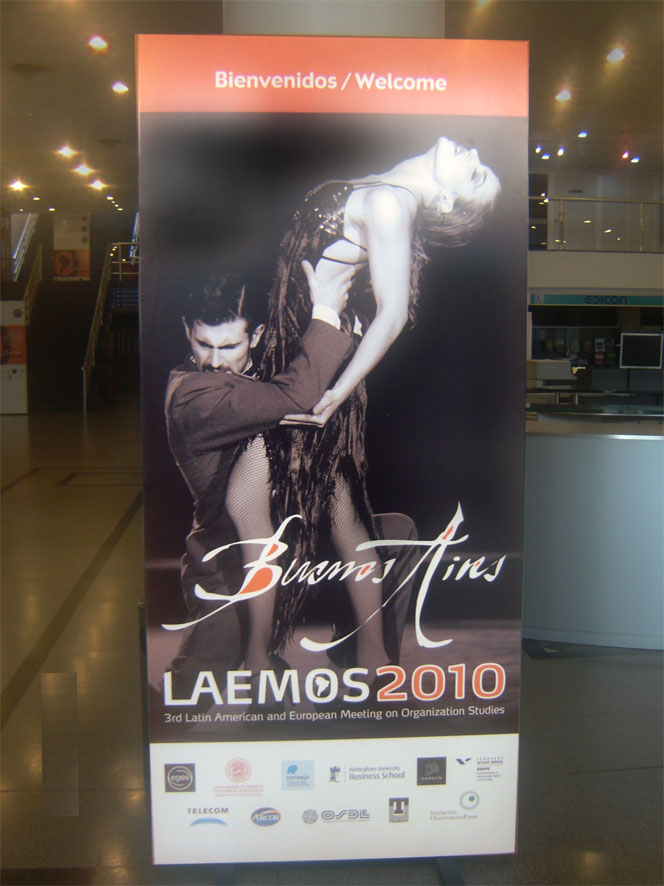

The Latin American and European Meeting on Organization Studies (LAEMOS) conference was initiated in 2006 in partnership with the European Group of Organization Studies (EGOS) by a handful of Critical Management Studies (CMS) scholars who built an alternative space for knowledge exchange and dialogue among Global South and Global North scholars. These efforts were led in particular by the late Mexican intellectual and activist, Eduardo Ibarra Colado.
At its highpoint, the conference attracted hundreds of international scholars and students to share ideas, paper presentations, and conversation, based on the assumption that building bridges among diverse communities will create conditions for liberatory knowledge and struggles to flourish. This website will archive and narrate the story of LAEMOS, inviting the public to remember and restore the radical politics that underscored this effort and to displace the dehumanizing, colonial, and patriarchal structures that current conference organising reproduces.
This is especially the case because the discipline of business, management and organisation studies has been critiqued as Anglo-Eurocentric and racial capitalist, perpetuating the dispossession and exclusion of people from racially marginalised backgrounds and positionalities. This has been particularly evident in academic conference spaces, even those purported to be ‘critical’ or open to critical work, such as the International Critical Management Studies (ICMS) conference and the European Group of Organization Studies (EGOS). These two conferences, and decisions made by their leadership, have been challenged and contested by academics of colour and from the Global South, using scholar-activist tactics such as banner drops and open letters to call attention to the suite of issues of exclusion arising within the conferences.
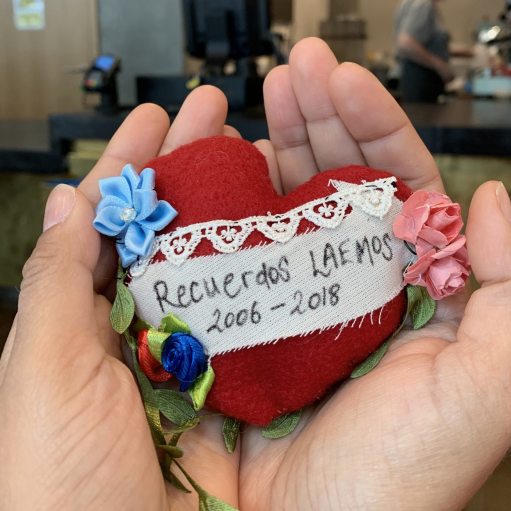
Recuerdos LAEMOS is a dynamic and mobile installation and exhibition that aims to archive the birth and death of the LAEMOS conference. LAEMOS founders were inspired to create an experimental bridge between Latin America and Europe through the creation of a conference space in which dialogue and debate were premised as a goal for re-humanizing a Eurocentric management and organisation studies (MOS). However, along its journey, the conference lost this focus and became a commercial enterprise.
In 2018, the Decolonizing Alliance launched an open letter campaign to highlight this turn in direction and attracted over 100 signatories from across the world. However, in 2018 LAEMOS was closed down instead of being reformed. Today, there is little institutional memory about LAEMOS, its vision for an alternative space, and its sudden, unexpected, and undemocratic closure, leaving little scope for Global South-Global North discussions.
Through active and collective remembering, the project seeks to revive this history by archiving and displaying artifacts associated with LAEMOS. In its mobile exhibition form, it creates physical spaces with multi-media art to continue Ibarra Colado’s mission of re-humanizing business and management studies.
Our aim is to create original multimedia art pieces, including oral history interviews with people associated with LAEMOS at different points of its history. The current iteration of the project includes an informative and moving soundscape. The exhibition and digital archive are designed to invite the engagement of a range of audiences through curiosity, surprise and delight.
This archive and exhibition of LAEMOS is the first of its kind. It remembers LAEMOS as a radical experiment in CMS conference organising that became a site of political struggle, debate and international dialogue about who belongs to the business and management studies community, as well as who it serves. ‘Recuerdos LAEMOS’ offers a meaningful and creative model to re-build the community of communities of which CMS is composed through innovative artistic practice.
We also hope to engage the public – some of whom may know or may not know about LAEMOS – to dwell in a collective digital space that celebrates the possibility of political struggle within academia and beyond.
 Epistemic Revivals